
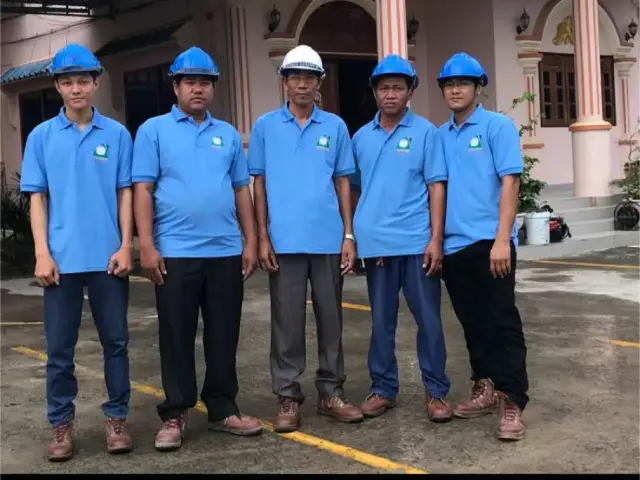
We have a comprehensive disease prevention and hygiene management system to ensure that the swiftlet houses are suitable for swiftlets to inhabit and breed, preventing viral infections such as avian influenza and Newcastle disease, and preventing the invasion of pests and predators. Management and maintenance include hiring caretakers, monitoring the number of swiftlets, improving environmental hygiene, regularly cleaning swiftlet droppings in the houses to prevent ammonia accumulation and bacterial growth, reducing nitrite produced by microbial metabolism, and checking the sound system, ventilation system, and temperature and humidity control equipment. Improperly maintained swiftlet houses can damage the swiftlets' natural habitat and lead to various problems, such as:
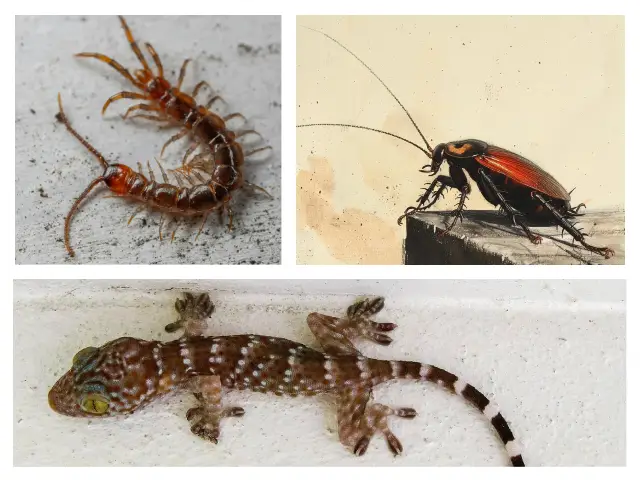
Pests such as geckos, ants, termites, or cockroaches can damage or destroy bird's nests, making them unusable for swiftlets. Natural predators such as eagles, bats, owls, snakes, or rats can also damage bird's nests and sometimes eat the eggs or chicks.
The presence of pests and predators puts stress on swiftlet flocks. This can cause swiftlets to abandon their swiftlet houses or postpone their breeding cycle, thus reducing the production of bird's nests.
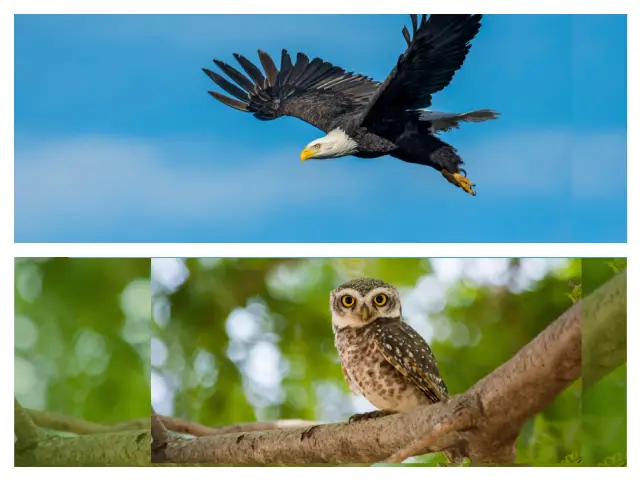
Large birds such as owls, bats, rats, snakes, and eagles may prey on bird eggs, nestling, and swiftlets, directly leading to a decrease in the number of swiftlets and affecting the overall production of bird's nests.
Other birds or pests carrying diseases may enter the swiftlet house and bring viruses. Implementing a monitoring plan for viruses such as avian influenza virus and Newcastle disease virus can help detect problems promptly and prevent the virus from spreading throughout the swiftlet house, causing weakness or even death to the swiftlets.
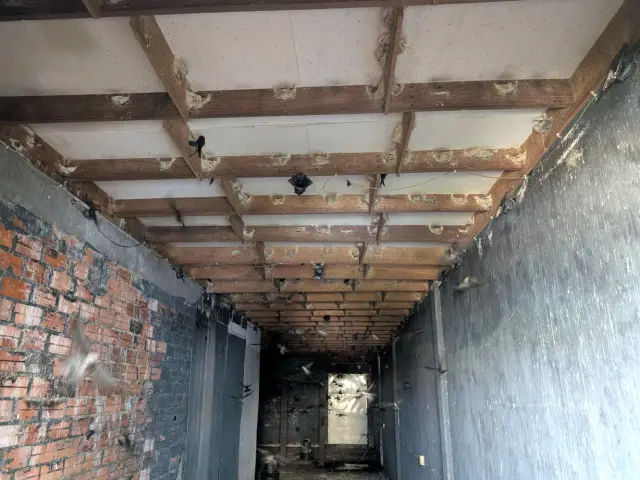
If the environment is excessively disturbed by pests or natural enemies, swiftlets may stop breeding or laying eggs, leading to a decline in overall bird's nest production.
To prevent the invasion of pests and natural enemies, the management team uses pest control measures, protective measures (such as installing owl traps near the swiftlet houses), and environmental monitoring to ensure that the swiftlets are not disturbed by external threats.
Scientific management of swiftlet houses ensures the safety of bird's nests for consumption. We have a local team to provide professional management and maintenance for your swiftlet house investment in Cambodia, ensuring that swiftlet house management and bird's nest harvesting processes meet the requirements of the Cambodian Ministry of Agriculture, Forestry and Fisheries. We achieve sustainable development through continuous monitoring and technological upgrades.