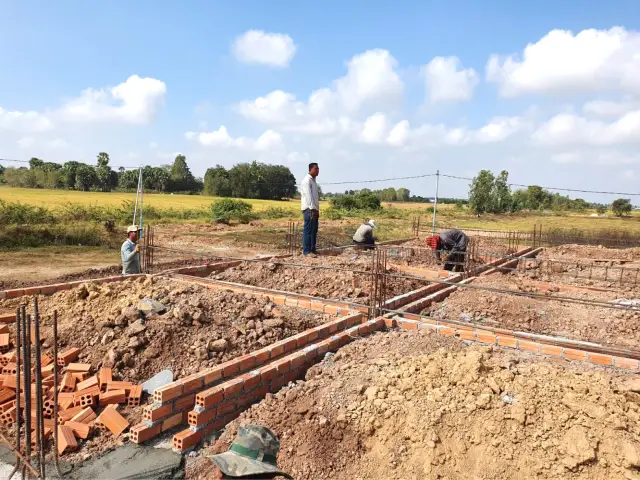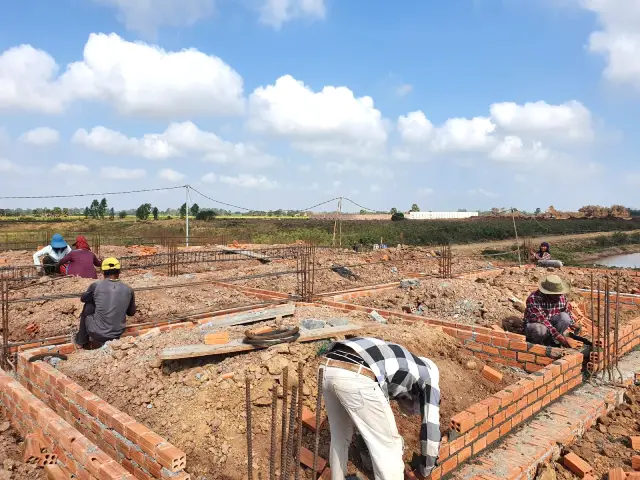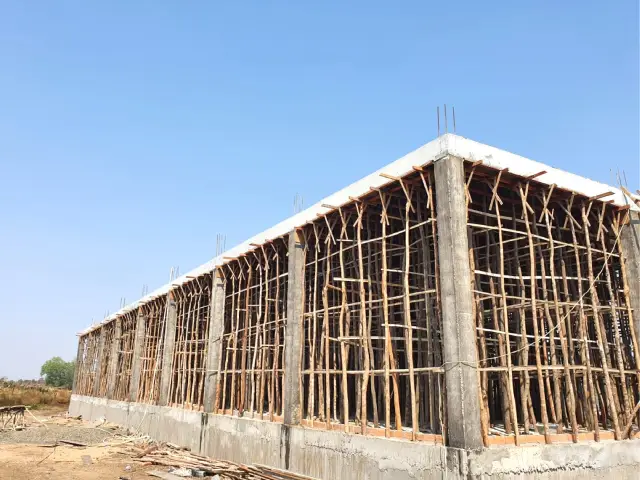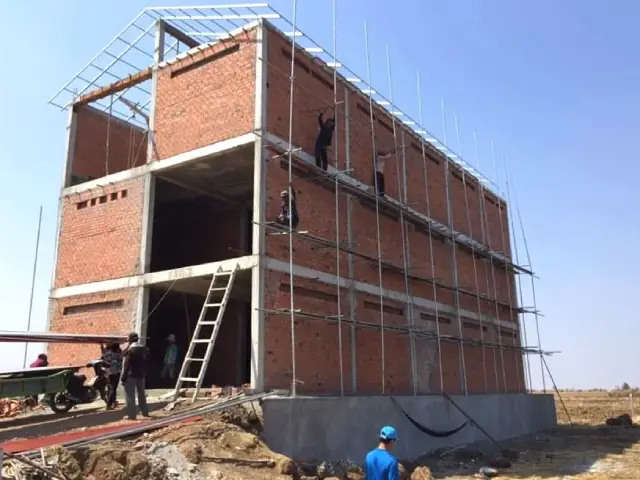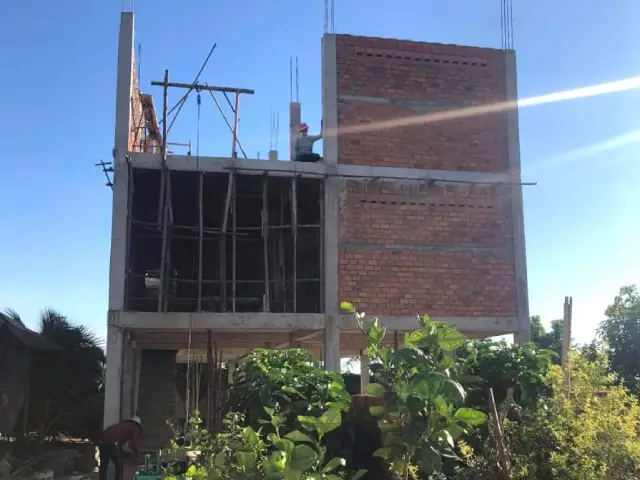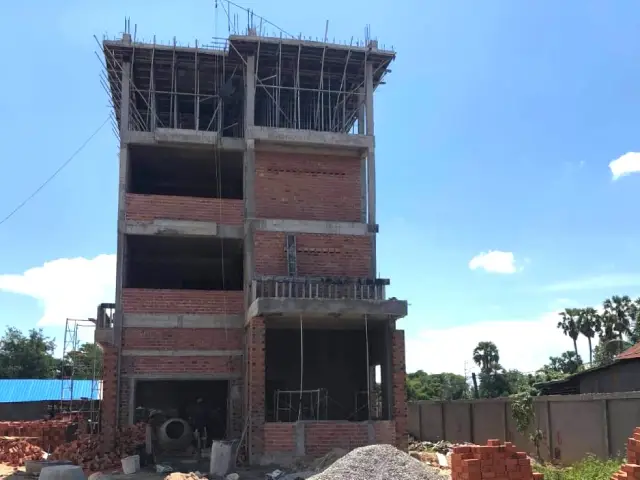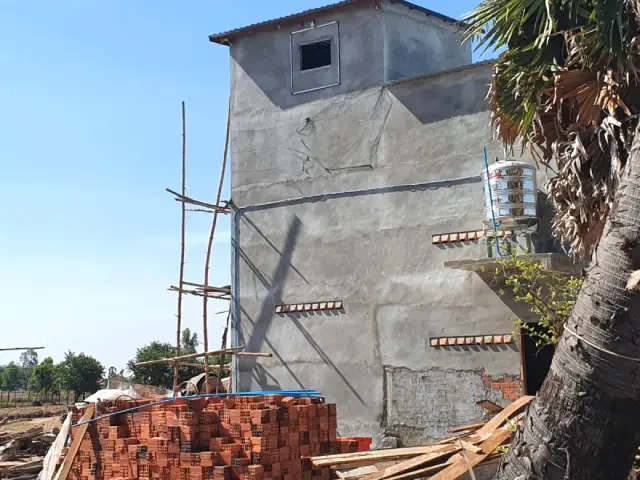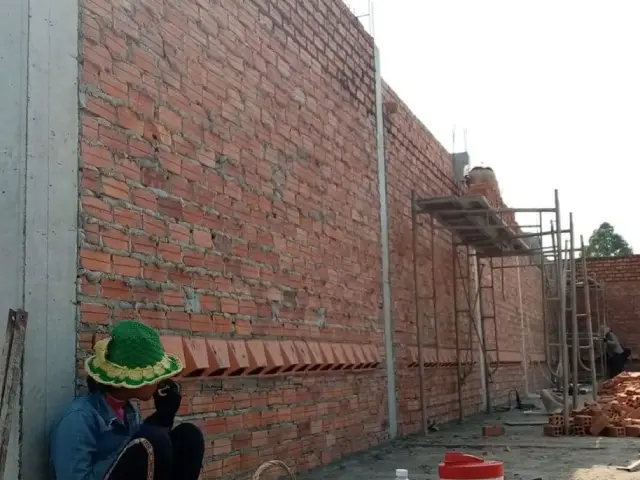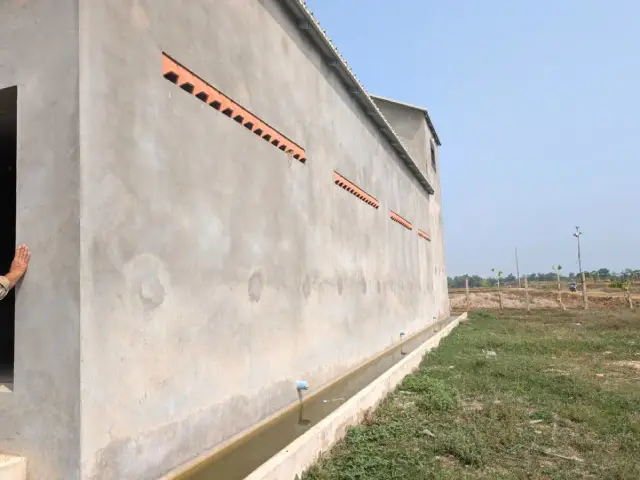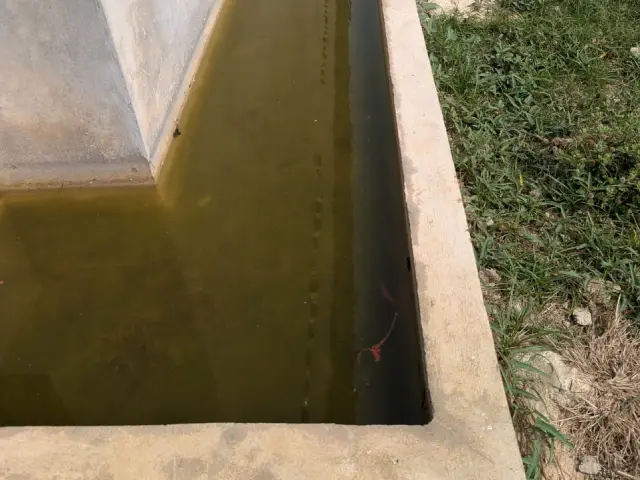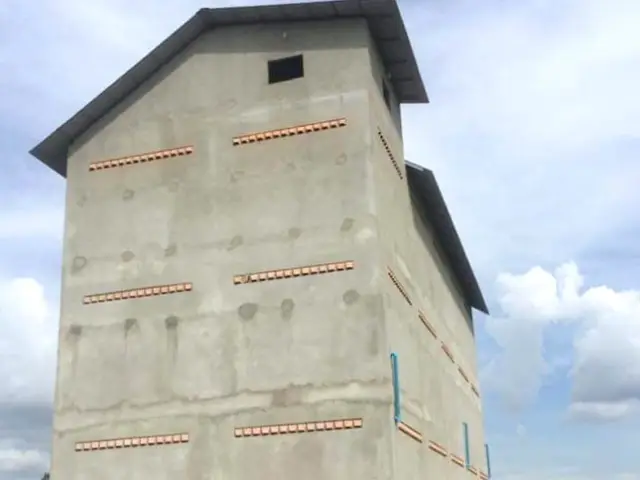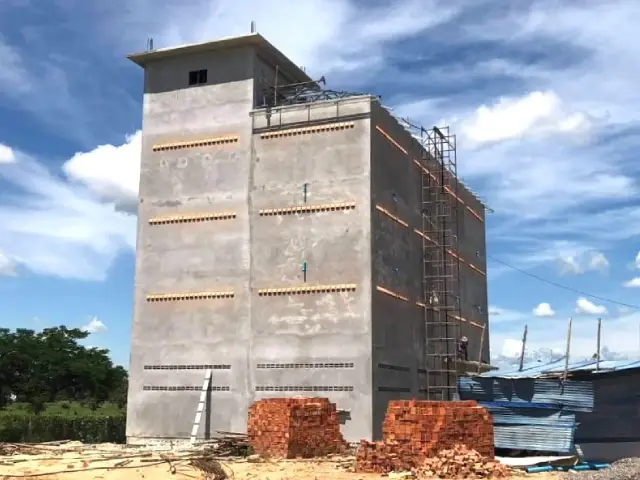
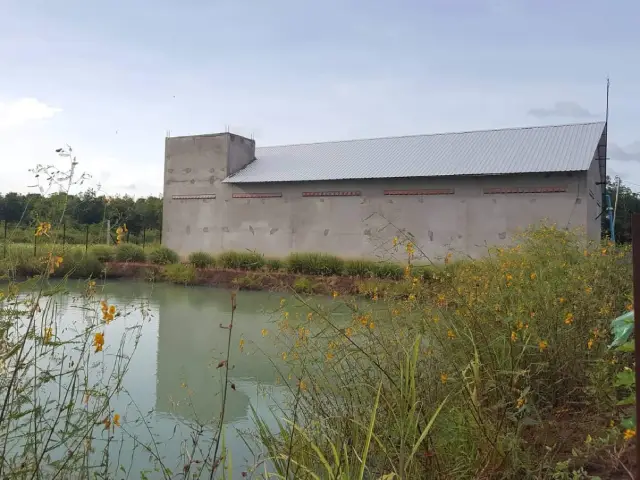
The characteristics of swiftlet houses are important factors in investing in them, including location, climate, sustainability of food sources, air quality, noise, the surrounding environment, safety, human activities, future development of the area, and the design of the swiftlet houses.
Understanding the geographical location is crucial. We will examine the natural conditions, altitude, and climate patterns of potential locations, which are important for understanding the distribution of natural resources and how they affect the lives of swiftlets. For example, highland and primary forest areas have the advantage of fresh air and abundant food.
Climate conditions have a significant impact on the macroscopic and microscopic habitats of swiftlet houses. Swiftlets prefer natural habitats in caves with temperatures between 27°C and 30°C and humidity between 80% and 90%. Maintaining the temperature and humidity within the swiftlet houses is crucial, as they affect the swiftlets' breeding habits. High temperatures damage eggs, while low temperatures harm featherless chicks. High humidity leads to mold growth on the nests, while low humidity causes swiftlets and nests to fall to the floor due to reduced adhesion.
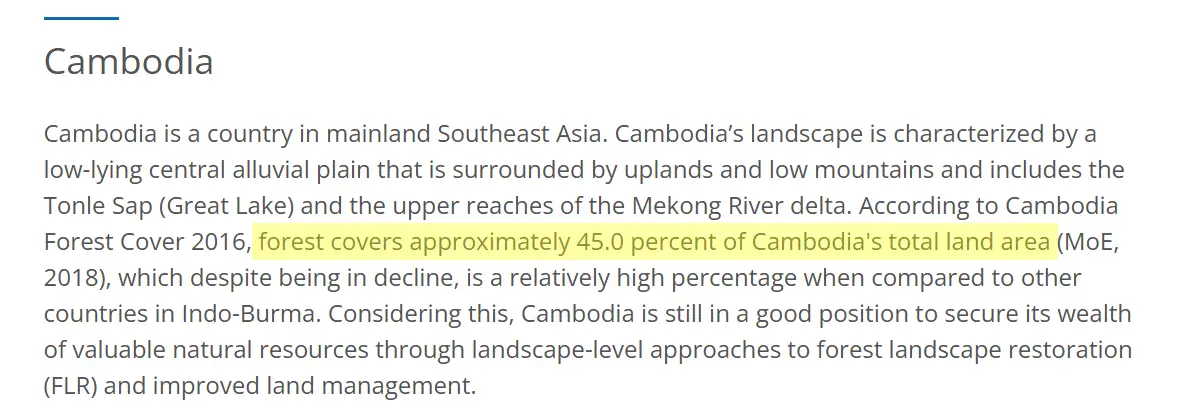
One crucial factor influencing swiftlet breeding is food supply. According to the Food and Agriculture Organization of the United Nations (FAO), forests cover approximately 45% of Cambodia's total land area, and agricultural land covers approximately 34.6% (World Bank data, 2022). This contributes to the sustainability of swiftlets' natural food sources.
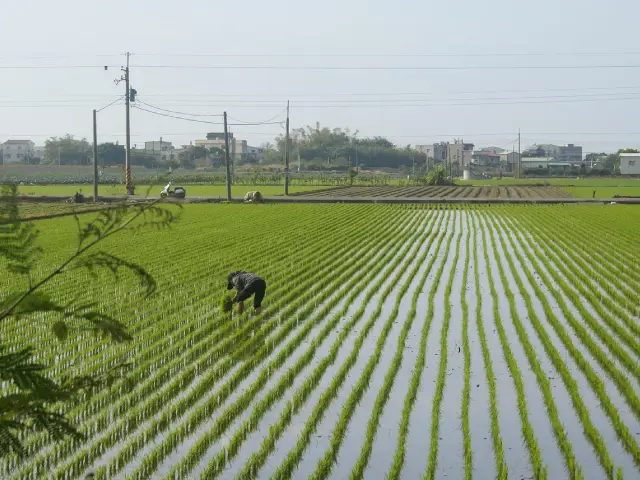
Swiftlet houses built near industrial or residential areas suffer from air pollution, noise pollution, and human activity. Being far from forests or farmland, they also require swiftlets to spend more time flying and foraging. In contrast, swiftlet houses located in villages offer unpolluted air, abundant food, and a quieter environment, making them a more suitable habitat for swiftlets.
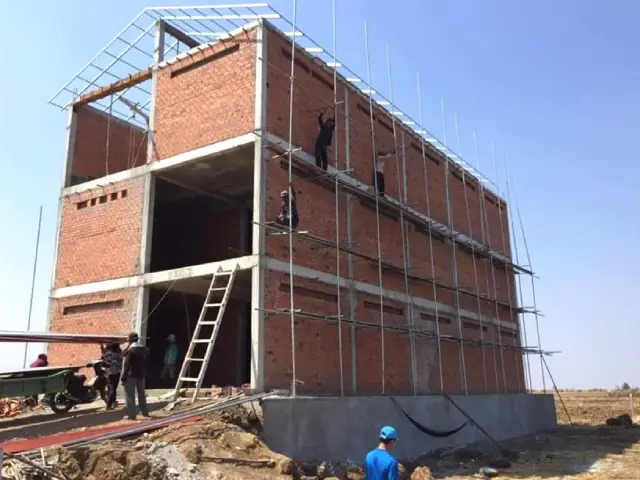
Future urbanization and industrial development in the surrounding area may pose risks to the habitat of swiftlets. When selecting a location for a swiftlet house, we will conduct research and assess the potential land use in the surrounding area to evaluate investment risks.
The construction and design of the swiftlet houses simulate the natural habitat of swiftlets in caves, especially the ventilation system to maintain air circulation and prevent the houses from becoming stuffy. We use automated systems to regulate temperature, humidity, and sound frequencies, replicating natural cave conditions such as smells and echoes to encourage swiftlets to nest and breed.
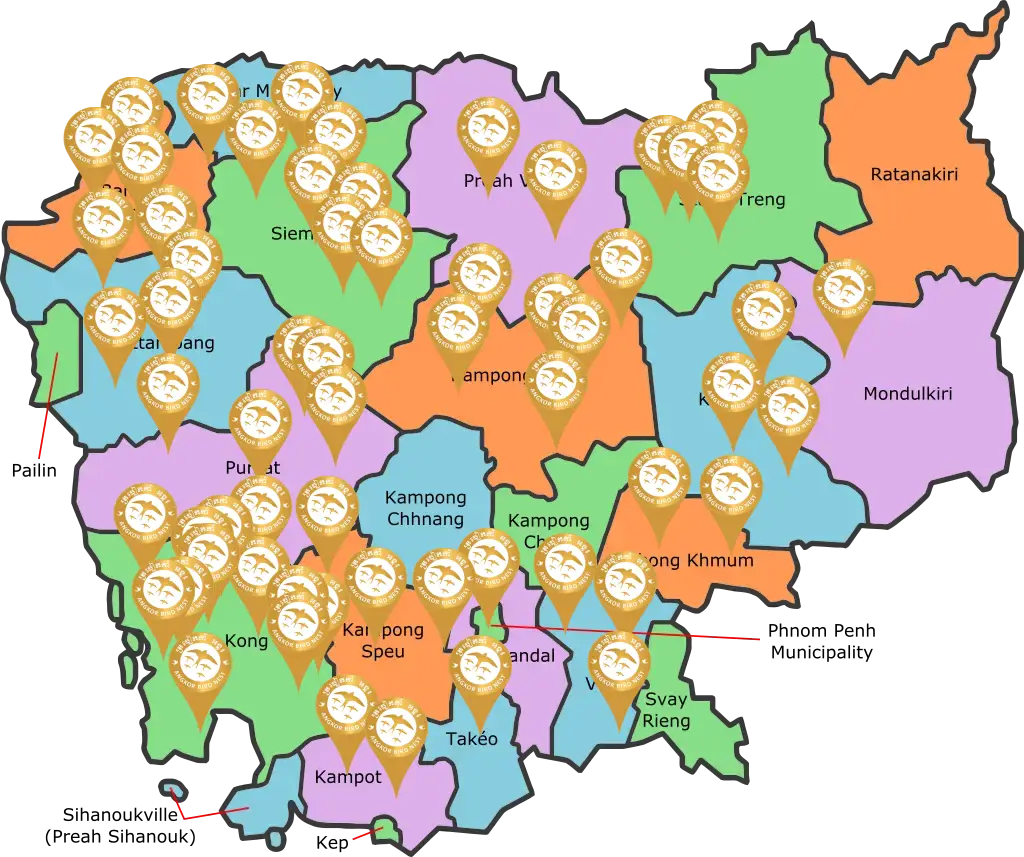
Our team has built and provided consulting services for over 480 swiftlet houses across Cambodia. We use attribute data analysis models, including geographic location and environmental data, to select the locations for these houses.